
6 Email Marketing Best Practices for Small Businesses
As a small business owner, you know that staying connected with your customers is crucial to your success. Email marketing is a powerful tool that allows you to do just that, while also providing an excellent return on investment. However, effectively implementing email marketing strategies can seem overwhelming, especially when you're juggling numerous other responsibilities. That's where we come in! In this friendly, informative guide, we'll walk you through 6 essential email marketing best practices that every small business should follow. From building a quality email list to fostering long-term customer relationships, we've got you covered.
The Foundation of Successful Email Marketing
A successful email marketing campaign starts with a solid foundation: a quality email list. Building an email list full of engaged, interested subscribers is the first step to ensure your campaigns get the attention they deserve. In this section, we'll explore four practical methods to help you grow your email list and create a valuable asset for your small business. With these strategies in place, you'll be well on your way to unlocking the full potential of email marketing. Let's get started!
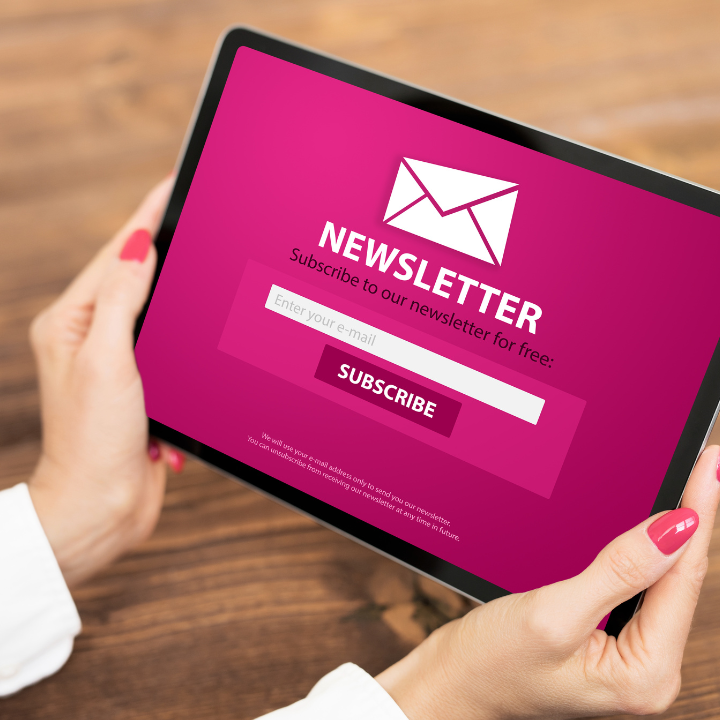
Utilize opt-ins to build a solid email list to help foster connections and boost growth. Offer valuable content in exchange for emails to see results!
A Smooth Path to Subscription
One of the most effective ways to grow your email list is by incorporating opt-in forms throughout your website. These forms make it easy for visitors to sign up for your newsletter or other email communications. Place them in prominent locations like the homepage, the footer, or even as a pop-up. Ensure that the sign-up process is simple and quick, requesting only the necessary information to prevent potential subscribers from losing interest. The easier it is to sign up, the more likely visitors will become subscribers.
Sweetening the Deal
Everyone loves a good deal, so offering incentives for sign-ups can be a powerful way to grow your email list. Consider providing exclusive discounts, access to valuable content, or entry into a giveaway for new subscribers. By offering an enticing reward, you're giving potential subscribers a compelling reason to join your email list, and they'll be more inclined to look forward to your future emails.
Leveraging Your Online Presence
Social media platforms provide an excellent opportunity to promote your email list and encourage sign-ups. Share posts on your social media accounts that highlight the benefits of joining your email list, and include a direct link to your sign-up form. This will not only help you reach a wider audience but also allow you to tap into the networks of your existing followers. Remember to keep your social media posts engaging, informative, and visually appealing to grab the attention of your audience.
Taking It Beyond the Digital World
While online methods are often the focus of email list building, don't forget the potential of offline sign-up opportunities. Collect email addresses at networking events, trade shows, or even in your brick-and-mortar store by providing a physical sign-up sheet or using a tablet for digital submissions. By offering both online and offline opportunities for people to join your email list, you're maximizing your reach and ensuring you don't miss out on any potential subscribers.
The Key to Relevant and Effective Communication
Sending the same email to everyone on your list may seem like a timesaving approach, but it can lead to lower engagement rates and decreased interest from your subscribers. That's where segmenting your email list comes into play. By dividing your email list into smaller, more targeted groups, you can send highly relevant content that resonates with your subscribers. In this section, we'll explore three strategies for segmenting your email list, helping you deliver more personalized and effective email campaigns.
Catering to Your Audience's Unique Characteristics
Segmenting your email list based on demographics like age, gender, location, or income allows you to send tailored content that appeals to specific subscriber groups. For example, you could send promotions for products that are popular among certain age groups or offer location-specific deals. By understanding and addressing the unique characteristics of your audience, you'll be able to craft more compelling messages that resonate with your subscribers.
Understanding Your Subscribers' Actions
Another powerful way to segment your email list is by analyzing user behavior, such as purchase history, browsing habits, or past email interactions. By doing so, you can create targeted campaigns that speak directly to your subscribers' interests and needs. For instance, you could send a follow-up email to customers who recently purchased a specific product, offering them complementary items or helpful tips. Segmenting by user behavior allows you to provide personalized recommendations and drive more meaningful engagements with your audience.
Rewarding Loyalty and Rekindling Interest
Finally, it's essential to differentiate between highly engaged subscribers and those who might be losing interest in your emails. Segment your list based on factors like open rates, click-through rates, or how long someone has been subscribed to your list. You can then create targeted campaigns aimed at re-engaging less active subscribers, as well as acknowledging and rewarding loyal customers with exclusive offers and content. By understanding your subscribers' level of engagement, you can tailor your communication strategies to maintain their interest and strengthen your customer relationships.
In this video I'll be covering how to create a tag, create an email sequence, and visual automation. These are all essential skills for anyone looking to get into marketing or improve their current marketing strategy. By the end of this video you'll have a solid understanding of how to use these tools to your advantage.
Creating a Connection Through Customization
In today's fast-paced digital world, a little personal touch can go a long way in making your emails stand out in a crowded inbox. Personalization not only helps you create a connection with your subscribers but also increases the chances of them opening and engaging with your emails. In this section, we'll discuss four techniques to personalize your emails, ensuring your content resonates with your audience and keeps them coming back for more. Let's get started!
Making It Personal
One of the simplest and most effective ways to personalize your emails is by addressing your subscribers by their name. Including your recipient's name in the subject line or within the email body can make your message feel more personal and relevant. Most email marketing platforms make it easy to insert names using merge tags, so be sure to take advantage of this feature to foster a more authentic connection with your subscribers.
Catering to Individual Interests
To truly resonate with your audience, it's essential to tailor your email content to their preferences and interests. By using the data you've gathered through segmentation, you can create customized email campaigns that address your subscribers' unique needs and desires. Whether it's offering product recommendations based on past purchases or sharing content related to their favorite topics, providing personalized content will make your subscribers feel valued and understood.
Timing Is Everything
The time you send your emails can have a significant impact on open rates and engagement. To ensure your emails are reaching your subscribers when they're most likely to be checking their inbox, consider testing different send times and monitoring the results. You can also use email marketing tools that offer send-time optimization features, which automatically determine the best time to send emails based on your subscribers' past engagement. By sending emails at optimal times, you increase the chances of your messages being seen and acted upon.
The Art of the First Impression
Your subject line is often the first thing your subscribers see, and it plays a crucial role in determining whether your email will be opened or ignored. To make your subject lines more personalized and compelling, try incorporating the recipient's name, mentioning their interests, or referring to a recent interaction. Additionally, test different subject line variations to determine which style and tone work best for your audience. By crafting captivating subject lines, you'll pique your subscribers' curiosity and encourage them to explore your email content further.
The Heart of Successful Email Marketing
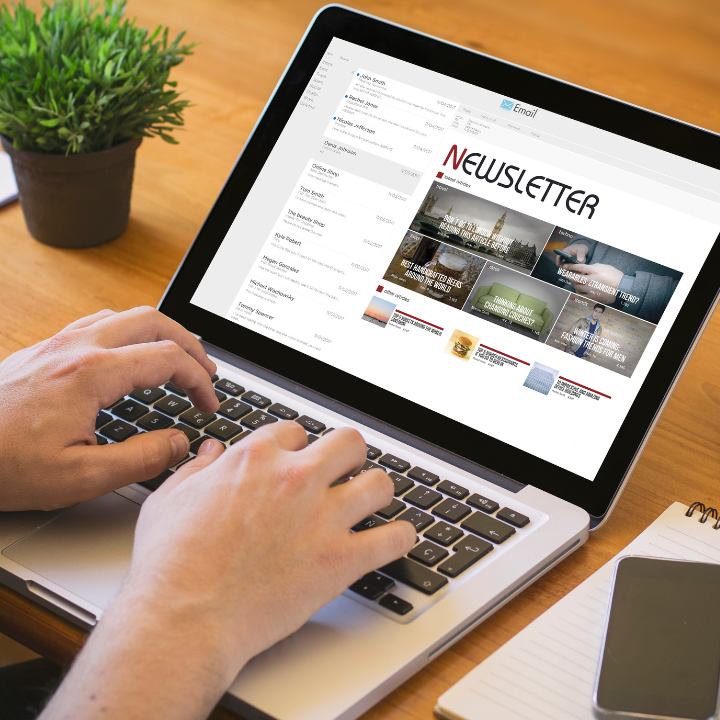
Content is king when it comes to email marketing, and providing valuable content is the key to keeping your subscribers engaged and interested. By consistently delivering content that resonates with your audience, you'll build trust, strengthen your brand, and ultimately drive more conversions. In this section, we'll explore four types of valuable content that you can incorporate into your email campaigns to keep your subscribers looking forward to your next email.
Rewards for Your Loyal Subscribers
Who doesn't love a good deal? Offering exclusive discounts, promotions, or early access to new products is a fantastic way to provide value to your subscribers. Not only will these offers make your subscribers feel special and appreciated, but they'll also encourage them to stay subscribed and actively engage with your emails. Plus, exclusive deals can help drive sales and boost customer loyalty.
Educate and Inspire
Sharing informative articles, blog posts, or other valuable resources is another excellent way to provide value to your subscribers. By offering helpful tips, industry insights, or educational content related to your niche, you'll position yourself as a trusted expert in your field. This approach helps you build credibility and ensures your subscribers continue to view your emails as a valuable source of information.
The Power of Social Proof
Customer testimonials are a powerful way to build trust and demonstrate the value of your products or services. Sharing positive reviews, success stories, or case studies in your emails can help potential customers feel more confident in their decision to choose your business. Plus, showcasing customer testimonials can also encourage your current subscribers to share their own experiences, further reinforcing your brand's credibility.
Keep Your Subscribers in the Loop
Your subscribers care about your business, and keeping them informed about company news, product launches, or upcoming events helps foster a sense of connection and loyalty. Providing company updates not only keeps your subscribers engaged but also gives them a behind-the-scenes look at your business, making them feel more involved and invested in your success. Just be sure to strike a balance between sharing relevant updates and avoiding overly self-promotional content.
Streamlining Your Email Marketing Efforts
As a small business owner, you likely have a lot on your plate, and staying on top of your email marketing efforts can be a challenge. That's where email automation comes in. By automating certain aspects of your email campaigns, you can save time, ensure consistency, and maintain a strong connection with your subscribers. In this section, we'll discuss three email automation strategies that can help you optimize your marketing efforts and drive better results. Let's dive in!
Starting on the Right Foot
A welcome email series is an excellent way to introduce new subscribers to your business and set the stage for a long-lasting relationship. By automating this series, you can ensure that every new subscriber receives a warm, personalized welcome without any manual effort on your part. A well-crafted welcome email series typically includes an introduction to your brand, an overview of what subscribers can expect from your emails, and a special offer or incentive to encourage engagement.
Responding to Your Subscribers' Actions
Triggered emails, also known as behavioral emails, are automatically sent based on specific actions or events related to your subscribers. Examples of triggered emails include abandoned cart reminders, post-purchase follow-ups, or re-engagement campaigns targeting inactive subscribers. By automating these emails, you can respond to your subscribers' behavior in a timely and relevant manner, ultimately improving the effectiveness of your email marketing efforts.
Maintaining Consistency and Engagement
Scheduling regular newsletter campaigns is another key aspect of email automation that can help you maintain consistency and keep your subscribers engaged. By setting up a recurring schedule for your newsletter campaigns, you can ensure that your subscribers receive valuable content at regular intervals without the need for manual intervention. This not only saves you time but also helps build anticipation and a sense of reliability around your email communications. Just be sure to monitor your campaigns' performance and make adjustments as needed to keep your content fresh and relevant.
Nurturing Connections for Lasting Success
While acquiring new customers is essential for growth, nurturing long-term relationships with your existing customers can be the key to sustainable success. By focusing on building strong connections with your subscribers, you'll not only increase customer loyalty but also create a solid base of brand advocates. In this section, we'll discuss three strategies for fostering long-term customer relationships through your email marketing efforts. Let's explore how you can turn your subscribers into raving fans!
Staying Connected and Relevant
To foster long-term relationships, it's crucial to maintain regular communication with your customers. By sending consistent and valuable content through your email campaigns, you'll remain top-of-mind and continue to strengthen your connection with your subscribers. This can include sharing company updates, informative articles, or special promotions. Just be sure to strike a balance between engaging with your customers and overwhelming them with too many emails. Consistent, thoughtful communication is key to nurturing lasting relationships.
Listening to Your Customers' Voices
Inviting your customers to share their feedback and reviews is another powerful way to build long-term relationships. By actively seeking their input, you're demonstrating that you value their opinions and are committed to improving your products or services. Make it easy for your customers to provide feedback by including a simple survey or rating system in your emails. Not only will this help you identify areas for improvement, but it can also provide valuable testimonials and social proof to attract new customers.
Recognizing and Rewarding Your Loyal Customers
Loyalty programs and rewards are an excellent way to encourage long-term customer relationships and show your appreciation for their continued support. By offering exclusive benefits, discounts, or perks to your most loyal customers, you'll make them feel valued and strengthen their connection to your brand. Include information about your loyalty program in your email campaigns, and consider sending personalized rewards or offers based on your customers' purchase history or engagement level. By recognizing and rewarding your loyal customers, you'll foster lasting relationships that contribute to the long-term success of your business.
As we've explored throughout this blog post, implementing these six essential email marketing best practices can help your small business thrive in the digital landscape. By laying a strong foundation for your email marketing efforts, delivering relevant and effective communication, creating personalized connections, offering valuable content, streamlining your campaigns with automation, and nurturing long-term customer relationships, you'll be well on your way to achieving lasting success.
Now that you're equipped with the knowledge and strategies needed to excel in email marketing, it's time to put these best practices into action. By consistently applying these principles to your email campaigns, you'll not only boost customer engagement and loyalty but also drive more conversions and grow your business. So, don't wait any longer—start implementing these email marketing best practices today, and watch your small business flourish!